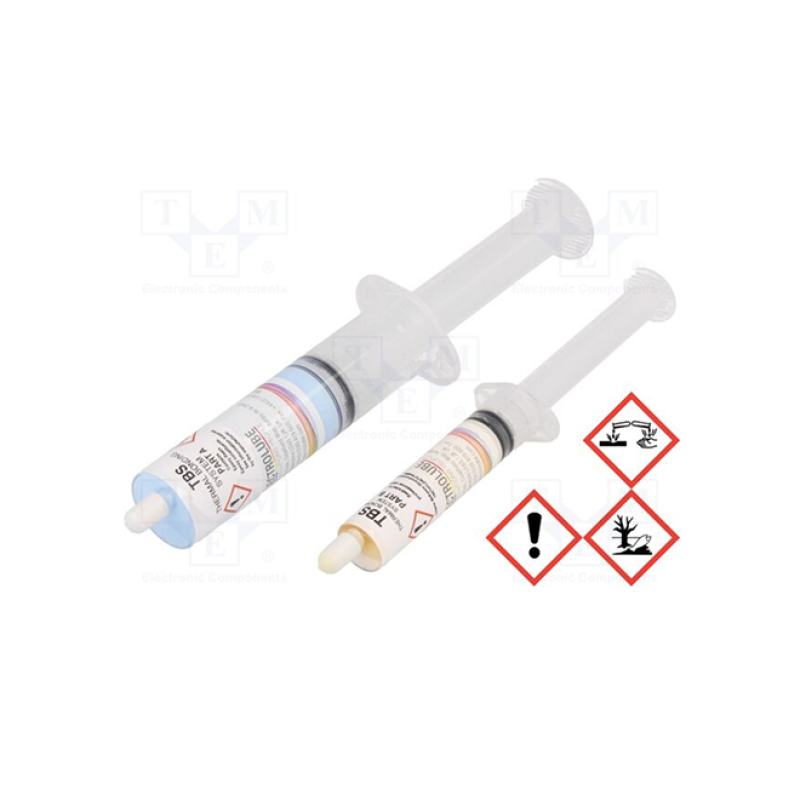
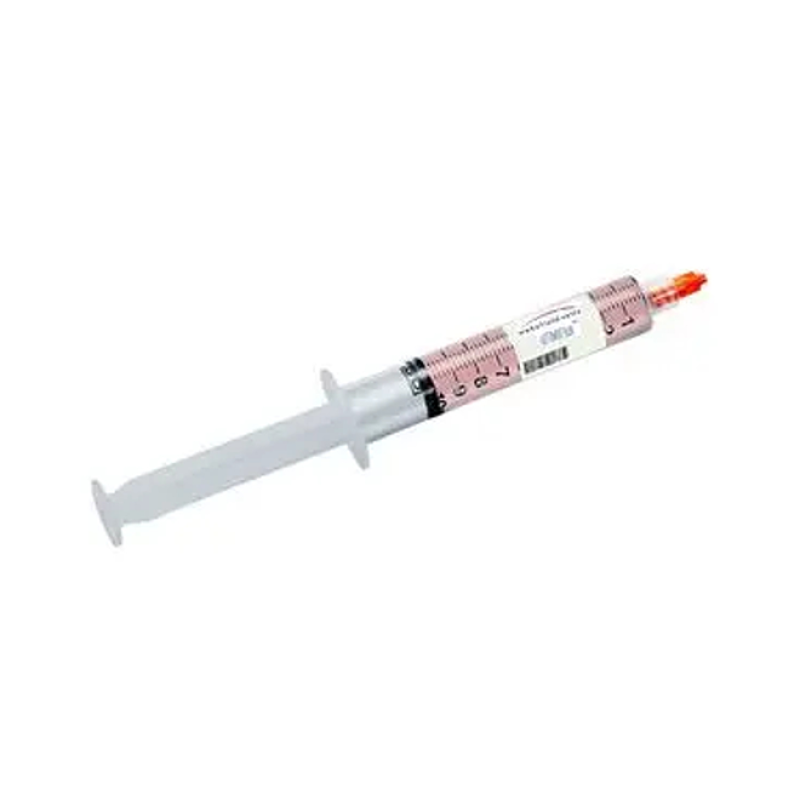
What is Thermally Conductive Adhesive & Epoxy?
Thermally conductive adhesives help to stick parts together and move heat away from sensitive areas. Epoxy-based adhesives are very strong and good at conducting heat. They help to keep electronic devices cool and prevent them from overheating, which makes them last longer.
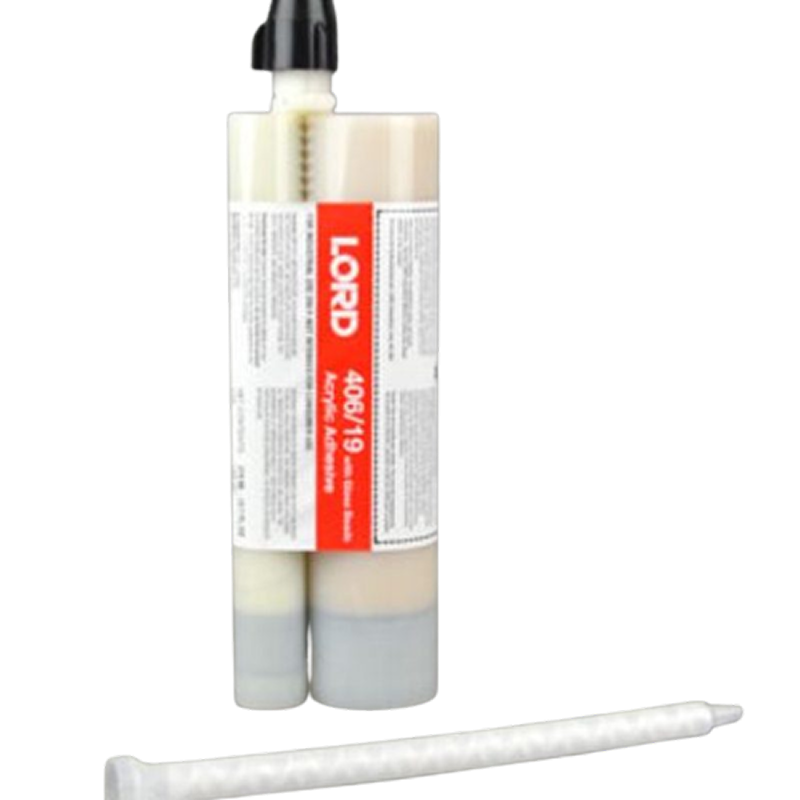
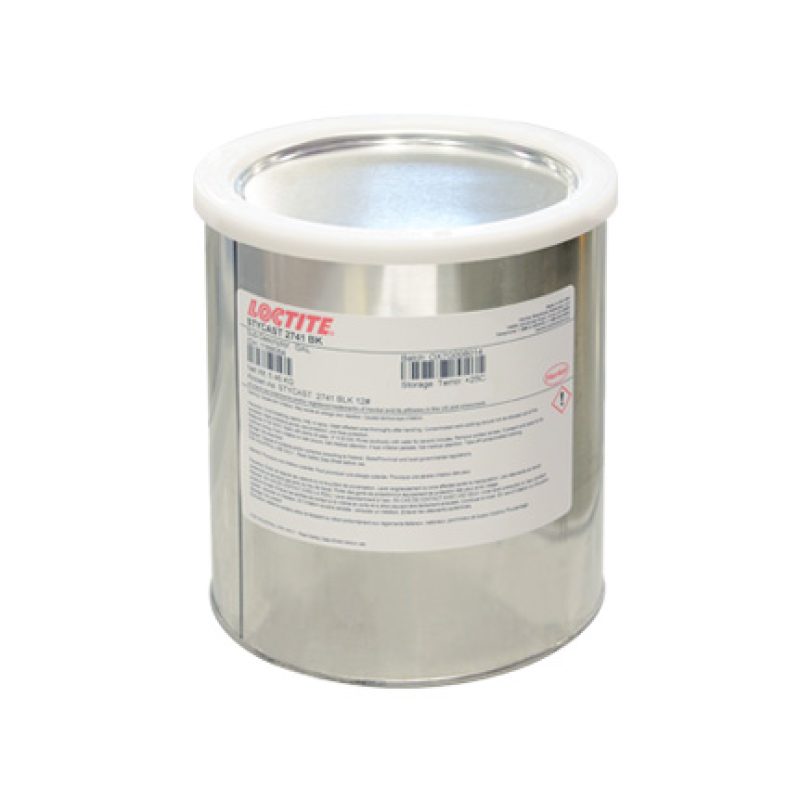
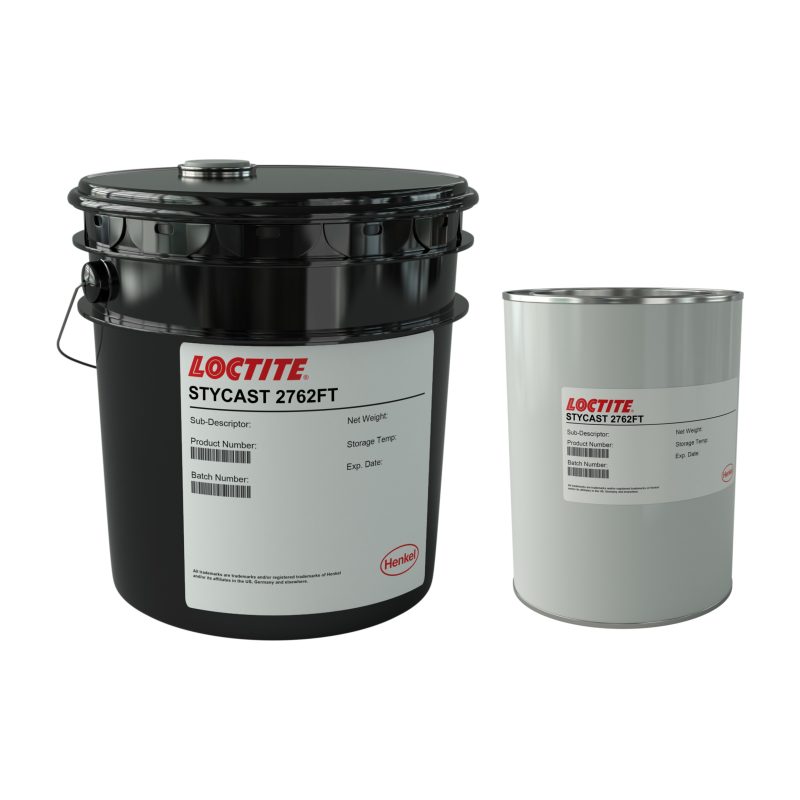
Thermally conductive epoxy is a type of thermally conductive adhesive that consists of two parts. When mixed, it forms a durable and heat-resistant bond. It is widely used in electronics for its ability to conduct heat away from components, ensuring devices remain cool and function reliably. These adhesives are suitable for both household and industrial applications, even in extreme temperatures.
Features
High thermal conductivity: Quickly dissipates heat away from components.
Strong bonding: Securely holds different materials together.
Electrical insulation: Prevents electricity from passing through.
Easy application: Simple to use with common tools.
Chemical resistance: Withstands exposure to harsh chemicals.
Versatile: Suitable for a wide range of applications.
Benefits
Better performance: Keeps parts cool, enhancing their efficiency.
Longer lifespan: Prevents heat damage, extending the life of components.
Safety: Lowers the risk of overheating.
Cost-effective: Reduces the need for frequent part replacements.
Reliable: Effectively manages heat in various conditions.
Flexible: Suitable for a wide range of applications.
Adhesive Considerations
When selecting a thermally conductive adhesive, consider its heat conductivity, strength, and curing time. Ensure it is compatible with the materials and conditions of your application.
Applications
Thermally conductive adhesives find use in electronics, automotive, and aerospace industries. They are ideal for attaching heat sinks, LEDs, power devices, and other components where efficient heat management is critical.
Why is Thermal Management Important in Electronics?
Heat creates damage to electronic components, which simultaneously reduces the operational strength of machines. The proper temperature management system protects devices from damage while keeping their operational stability intact and their performance at high levels. The thermally conductive adhesive functions as a heat dissipation tool, which enables various industries to protect their sensitive components. The method extends machine service life while decreasing power consumption and safeguarding electronic components from operational failures.
Types of Thermally Conductive Adhesives
Different industries pick different adhesive types based on heat levels, strength, and surface materials. Each option brings unique bonding strength and heat flow support. Therefore, choosing the right material boosts safety, performance, and product life in electronic systems.
1. Epoxy-Based Thermally Conductive Adhesives
The surface bonding strength of epoxy-based adhesives enables them to maintain their hold at temperatures which exceed normal operating levels. These materials base their selection for circuit boards, LED systems and power devices on their ability to establish strong bonds and their ability to maintain thermal conductivity over time.
2. Silicone-Based Thermally Conductive Adhesives
The silicone-based adhesives transform when temperatures shift while they protect sensitive parts from developing cracks. These materials protect devices from moisture damage while maintaining their operational stability.
3. Polyurethane Thermally Conductive Adhesives
The adhesive properties of polyurethane maintain solid bonds between surfaces while reducing the impact of electronic device vibrations. These materials protect delicate components from harm through their design, which enables proper heat circulation to maintain safe operation of machinery during extended operational periods.
4. Acrylic Thermally Conductive Adhesives
Acrylic adhesives fasten quickly and support neat assembly processes. These materials offer reliable heat transfer and firm surface grip, so manufacturers use them in compact electronic products and industrial equipment.
5. Ceramic-Filled Thermally Conductive Adhesives
Ceramic-filled adhesives spread heat without carrying electricity. These materials guard electronic systems from overheating and electrical risks. Therefore, industries use them in advanced devices that demand strong insulation and thermal control.
Why Choose Neotech Engineering for Thermally Conductive Adhesives in Singapore?
Strong product quality and dependable technical support shape better industrial performance. Neotech Engineering supplies advanced adhesive solutions that support thermal control, product strength, and safe electronic operation across many industrial applications in Singapore.
High-Quality Product Range
Neotech Engineering delivers durable adhesive solutions for different industrial needs. Each product supports strong bonding and heat transfer, which helps electronic systems perform with greater safety, strength, and long service life.
Industry Knowledge and Technical Support
Experienced professionals guide customers through product selection and application methods. This support helps industries choose suitable adhesive materials for electronic projects, thermal management systems, and complex assembly requirements.
Reliable Supply and Fast Service
Neotech Engineering maintains steady product availability and smooth delivery processes. Customers receive materials on time, which supports uninterrupted production work and helps businesses meet project deadlines without delays.
Solutions for Multiple Industries
Different industries require different bonding solutions. Neotech Engineering supplies adhesive products for electronics, automotive systems, lighting equipment, and industrial devices while supporting strong thermal performance and reliable bonding strength.